



Why Time in Nature Helps Us Think More Clearly
- Summer
- Mar 8
- 6 min read

The Quiet Influence of the Natural World
Many of us have experienced a moment when stepping outside changes how we feel. For some reason, I used to hesitate, almost reject being outdoors. The procrastination could deter me from experiencing some of the best moments.
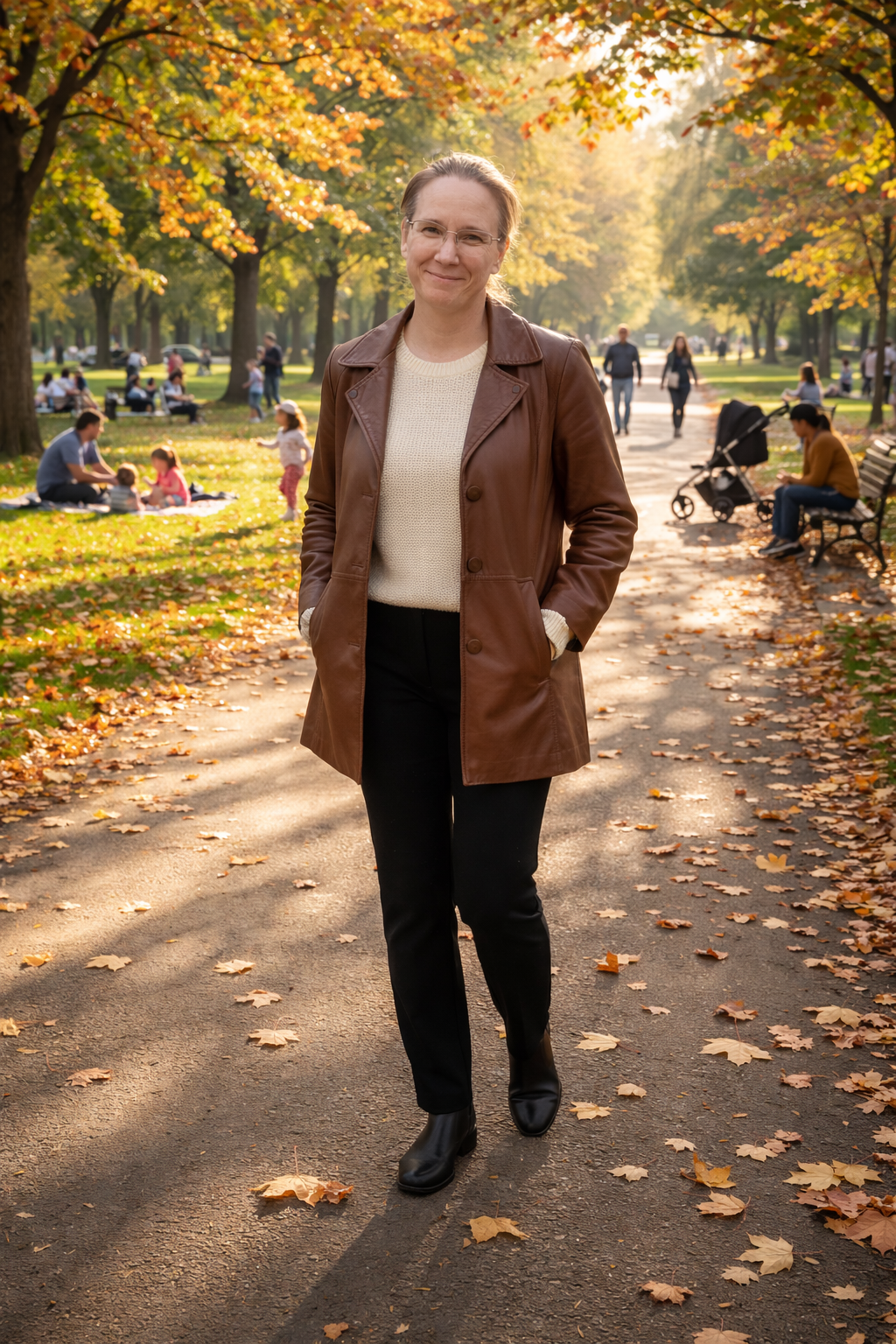
A walk through a park, time spent near trees, or even a few minutes beside water can soften tension and bring a sense of calm that was missing before. Problems that felt overwhelming indoors sometimes become easier to think through when surrounded by the quiet rhythm of nature.
This experience is not accidental. The natural world has a powerful way of helping people reset mentally and emotionally.
For leaders, decision-makers, and anyone carrying responsibility, time in nature can become an important tool for reflection. It allows space to step back from the noise of daily demands and see challenges with greater clarity.
I speak about this relationship between nature and balance. My reflections remind me that thoughtful leadership does not always happen in busy meeting rooms. Sometimes it begins with something much simpler: stepping outside and allowing the mind to settle.
Nature Slows and Opens the Mind
Modern life moves quickly. Constant messages, deadlines, and responsibilities keep the mind working without pause. This keeps the body over-stressed without relief.
When we remain in this constant state of activity, our thinking often becomes reactive. We respond quickly, sometimes without the perspective needed to make thoughtful decisions.
Nature has the opposite effect.
The Power of Quiet Environments
Natural settings naturally reduce sensory overload. Instead of screens, traffic, and competing voices, we encounter slower and more predictable rhythms—wind moving through trees, birds calling in the distance, or leaves shifting underfoot.
These subtle cues allow the brain to relax. Reactive becomes reflective.
Exposure to natural environments can lower stress levels and improve cognitive function. People often report feeling calmer and more focused after spending time outdoors.
Restoring Attention
Psychologists sometimes refer to this effect as attention restoration.
When the brain is constantly focused on tasks and problem-solving, mental fatigue develops. Nature gives the mind a chance to recover. The environment gently holds our attention without demanding intense concentration.
As the mind relaxes, clarity often returns.
This is why many people suddenly discover solutions to problems while walking outdoors. The brain has finally been given space to think differently.
Why Leaders Benefit from Time in Nature
Leadership often involves making decisions that affect others. These decisions require patience, perspective, and emotional awareness.
Nature encourages exactly those qualities.
Reflection Before Reaction
In stressful environments, it is easy for leaders to react quickly to pressure.
However, thoughtful leadership usually requires reflection before action.
Nature provides the mental distance needed for this reflection.
Walking through a forest path or sitting quietly near water can create a pause between a problem and a decision. That pause often leads to better judgment.
Reconnecting with Perspective
Nature also reminds us that many challenges exist within a larger context.
When surrounded by wide landscapes, tall trees, or flowing water, the mind naturally shifts toward broader thinking. Problems may still exist, but they are no longer the only thing filling our awareness.
In his book, Point of Departure, Dr. Jacobs, Wahinkpe Topa, talks about research that suggests when we focus on a problem we limit the use of our brains to only about five percent and that is only in one area/side of our brains. Yet, when we relax, and let go of the focussed thought, use nature to allow our minds to become entranced in/with nature, there is imaging that shows the neuropathways travel to both sides of our brains. This is the why things can become clearer with less focus. As for the magic of nature - and our connections as humans to the natural environment, I will leave that be magic.
This perspective and insight can help leaders return to complex decisions with renewed patience and balance. I have found an added benefit to be the relaxed state my body feels once I have been in nature for a reasonably small amount of time. There are short and long term health benefits I have found from making time to spend in the natural world.
The Role of Balance in Responsible Leadership
Leadership is not only about authority or expertise. It also involves emotional steadiness and awareness of how decisions affect others.
Balance plays a key role in maintaining this steadiness.
Preventing Burnout
Many people working in demanding roles experience exhaustion over time.
Constant pressure, responsibility, and difficult conversations can drain emotional reserves. Medicine, law enforcement, high-stress management and leadership roles are all highly prone to these issues.
Regular time in nature can help prevent this burnout.
Even brief periods outdoors allow the mind to release accumulated stress. Over time, these moments of recovery support healthier decision-making and greater resilience.
Encouraging Thoughtful Judgment
When people feel overwhelmed, they often fall back on quick assumptions or rigid thinking.
Nature encourages a slower pace. This slower rhythm allows ideas to unfold more naturally and helps people evaluate situations with greater openness.
For leaders navigating complex social issues, that openness can make an enormous difference.
Learning from the Rhythm of Nature
Nature also teaches lessons about patience, sensible decision making, and balance that are easy to overlook in modern life. I always say that nature does not lie to us. It may not be kind, nor easy at times, but usually gives enough clues for us to be okay if we pay attention. Nature also trains us, naturally, to understand good decision making.
Growth Takes Time
Forests do not grow overnight. Rivers shape landscapes gradually over years and centuries.
These natural processes remind us that meaningful change often happens slowly. Efforts to strengthen communities, improve institutions, or repair relationships require patience and steady commitment.
Recognizing this can help leaders avoid the frustration that comes from expecting immediate results. As we look backward to see where we have been, how we got here, and how we might move forward; we move from reflection to reflexive practice. Nature has been critical in helping me in the transition from reactive-to-reflective-to-reflexive. When I get rusty, or caught in a reactive moment... I know that I am overdue for a dose of the natural world.
Balance Is Part of Every System
Natural ecosystems maintain balance through countless interactions between plants, animals, water, and soil.
Human communities are not so different.
Healthy societies depend on balance between safety and freedom, authority and accountability, individual responsibility and collective wellbeing.
Spending time in nature can subtly reinforce this understanding of balance.
Nature as a Space for Honest Thinking
One of the most valuable aspects of nature is the honesty it encourages. Away from noise and pressure, people often become more aware of their own thoughts and emotions.
A Place for Personal Reflection
Nature creates a setting where individuals can ask difficult questions:
Am I okay, if not, what is weighing on me? What do I need to do to take care of myself?
Am I approaching this situation fairly?
Have I listened to all perspectives?
What outcome would truly benefit the community?
These questions are easier to explore when the mind is calm.
Reconnecting with Purpose
For many people, nature also reconnects them with a deeper sense of purpose. The quiet environment encourages reflection on why certain responsibilities matter and what values guide our actions.
This sense of purpose is essential for leadership rooted in integrity.
The Simplicity of Stepping Outside
The most powerful part of this idea is how simple it is.
Improving clarity of thought does not require expensive tools or complicated programs. Sometimes it begins with something as ordinary as a walk in a nearby park.
I reflect on how moments in nature shaped my thinking about responsibility, balance, and leadership. Those moments did not involve grand gestures. They involved paying attention to the world around me and allowing space for reflection.
Anyone can do the same.
Whether it is a short walk beneath trees, sitting beside a quiet lake, or simply breathing fresh air outside, these small pauses can bring the clarity needed to think more carefully about the decisions we make.
When Clarity Creates Better Leadership
Clear thinking leads to better conversations, better decisions, and stronger relationships within communities.
Leaders who take time to reflect often approach challenges with greater patience and empathy. They listen more carefully and consider a wider range of perspectives before acting.
Nature does not provide all the answers. But it can help create the mental conditions where better answers become possible.
In a world that often demands constant speed, stepping into nature can remind us that thoughtful leadership sometimes begins by slowing down. There are so many amazing experiences that I have had learning new ways of experiencing the natural world, I cannot wait to share more of them with you.
A Moment to Reflect
The Promise encourages thoughtful dialogue about leadership, responsibility, and the systems that shape our communities. Reflection is an important part of that process.
Taking time to pause, listen, and think carefully can help each of us approach important decisions with greater clarity and balance. It may also extend your health and reduce stress on your body. All good things.
If you would like to learn more about the ideas behind The Promise or participate in these conversations, we invite you to connect with us and continue the discussion.


Comments